Vegetable Prices: Potatoes at ₹2, Onions at ₹20 and Tomatoes at ₹10
Todays News IndiaPosted by admin on 2026-09-03 03:29:59 |
Share: Facebook | Twitter | Whatsapp | Linkedin Visits: 14
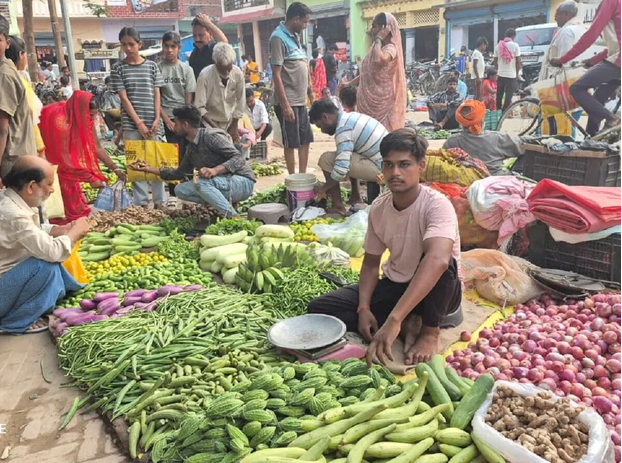
Vegetable prices are different in wholesale markets and local retail shops. A recent report on vegetable prices shows a big difference between the rates at the mandi and the prices paid by customers. Potatoes, onions and tomatoes are among the vegetables where this price gap can be clearly seen.
At Delhi’s Azadpur Mandi, one of the major vegetable markets in the country, potatoes are available at a minimum price of around ₹2 per kg. However, customers buying potatoes from local markets may have to pay around ₹20 per kg or even more. This shows how much the price can increase before the vegetables reach consumers.
Onions are another example. The wholesale price is around ₹20 per kg, while the retail price in some markets can go above ₹60 per kg. The difference is quite large and can put pressure on household budgets, especially for families that regularly buy vegetables.
Tomatoes are also available at a low wholesale price. Their minimum rate is around ₹10 per kg. Some other vegetables are also being sold at affordable rates in the wholesale market. Spinach and ridge gourd are available at around ₹10 per kg, while cauliflower costs about ₹15 per kg. Beans are being sold for around ₹30 per kg.
It is important to understand that these figures are minimum wholesale prices. The actual price can change depending on the quality of the vegetables, supply, demand and the quantity purchased by traders. Retail prices are generally higher because sellers also have to cover transportation, storage, labour and other expenses.
The difference between wholesale and retail prices can therefore be quite large. While traders may purchase vegetables at low rates from the mandi, consumers often pay much more at nearby shops.
Vegetable prices can also change from one city to another because of local supply and demand. Weather conditions, transportation costs and seasonal changes can also affect prices.
For consumers, checking prices at different markets and buying seasonal vegetables can sometimes help reduce the monthly grocery bill. The latest mandi rates also give an idea of how much vegetable prices can change before reaching the final customer.