Indian Stock Market Falls Due to West Asia Tensions
Business IndiaPosted by admin on 2026-09-03 03:28:01 |
Share: Facebook | Twitter | Whatsapp | Linkedin Visits: 13
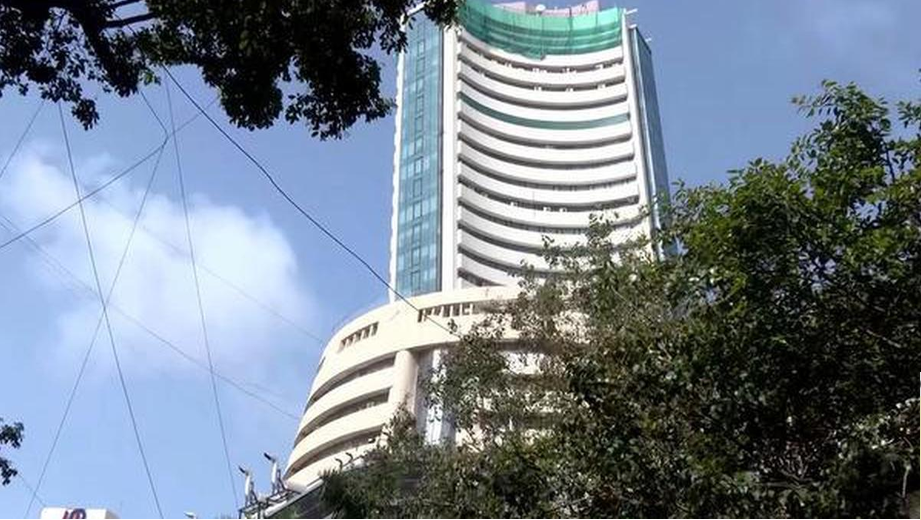
The Indian stock market fell sharply in early trading as tensions in West Asia increased. The rise in conflict created fear among investors and caused crude oil prices to move higher. The Sensex and Nifty both declined as investors became worried about the possible impact of the situation on the Indian economy.
The main concern for India is the increase in crude oil prices. India imports a large amount of its crude oil from other countries. When oil prices rise, the cost of transportation, manufacturing and many other goods and services can also increase. This may lead to higher inflation and put pressure on businesses and consumers.
The rising tension in West Asia also created uncertainty in global financial markets. Stock markets in several Asian countries were affected as investors worried that the conflict could continue for a long time. Investors generally prefer safer investments when there is uncertainty, so they may sell shares and move their money into less risky assets.
Indian companies could also face higher costs if oil prices remain high. Companies that depend heavily on fuel and transportation may see their profits come under pressure. Higher costs can make it difficult for businesses to maintain their earnings, which can negatively affect their share prices.
The fall in the Indian market was also influenced by other global factors, including changes in interest rates and movements in international bond markets. These factors added to the pressure on stocks.
However, the future direction of the market will largely depend on how the situation in West Asia develops. If tensions reduce and crude oil prices come down, investor confidence may improve. On the other hand, if the conflict becomes more serious and oil prices remain high, the Indian stock market could continue to experience volatility.
Overall, the fall in the Indian stock market was mainly caused by rising tensions in West Asia, higher crude oil prices and growing uncertainty in global markets. The situation shows how events in one part of the world can have a direct effect on India's economy and financial markets. Investors will therefore continue to closely watch oil prices and developments in the region before making major investment decisions.